
By a Physical Therapist
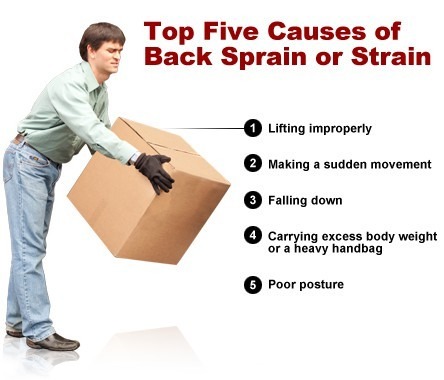
In today’s post-acute and long-term care environment, direct care professionals face increasing physical demands. One of the most significant challenges is safely transferring individuals with limited mobility—tasks that often place considerable strain on the caregiver’s back. Recognizing this ongoing need, Direct Care Training & Resource Center, Inc. has developed the Lift-Free Human Transfers Continuing Education and Direct Care Staff Training Program, a comprehensive educational tool designed to reduce caregiver injury and elevate care quality.
As a physical therapist, I find this curriculum uniquely valuable because it bridges clinical understanding with practical, day-to-day caregiving realities.
Understanding the Human Back: A Foundation for Injury Prevention:
Section 1 of the program provides an essential anatomical and functional overview of the human back. Caregivers often underestimate the complexity and vulnerability of the structures they rely on every day.
Lesson 1-A breaks down the major components of back anatomy, while Lesson 1-B explores the key muscle groups responsible for posture, lifting, and
stabilization. Together, these lessons help caregivers connect what they feel physically with what is happening structurally. The curriculum expands further in Lesson 1-C, detailing the functional demands placed on the back during routine caregiving. Many staff members perform dozens of transfers per shift, often in challenging environments.

These repetitive tasks contribute significantly to the back pain concerns examined in Lesson 1-D, which offers a clinically grounded look at common causes, risk factors, and early warning signs. Rounding out the anatomy module, Lesson 1-E briefly explains the organs situated within or adjacent to the posterior trunk—helping caregivers appreciate how injuries can impact more than just muscles and joints.
Back Health Protection: Techniques, Tools, and Smarter Workflows:
Section 2 is where the curriculum fully demonstrates
its practical value. From the standpoint of a physical
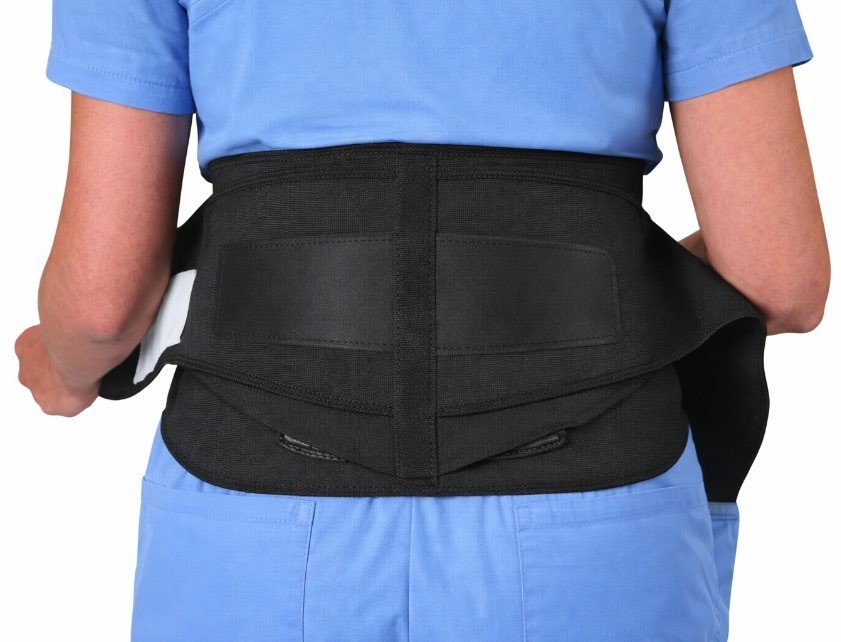
therapist, Lesson 2-A—which focuses on protecting the back during transfers—offers instruction that is both realistic and highly applicable. It emphasizes stable body mechanics, weight shifting, and the avoidance of forceful, unsupported lifting.
Lesson 2-B layers in additional strategies for long-term back health, including flexibility work, posture
maintenance, and environmental awareness. Importantly, the program does not promote “muscling
through” a transfer; instead, it supports clinical best practices that prioritize mechanical advantage and
shared load distribution.
The program appropriately devotes significant attention to mechanical assistance. Lessons 2-C through 2-E
walk caregivers through the use of Hoyer lifts, sit-to-stand lifts, and other commonly used transfer devices.
These modules reinforce the idea that mechanical lifts are not optional conveniences—they are essential
pieces of safety equipment designed to protect both staff and patients.
Practical Transfer Skills: Real World Scenarios:
One particularly strong feature of the program is its attention to specialized transfer challenges. Lesson F covers proper use of the transfer belt, clarifying when and how it should be applied to maximize safety and minimize unnecessary strain.
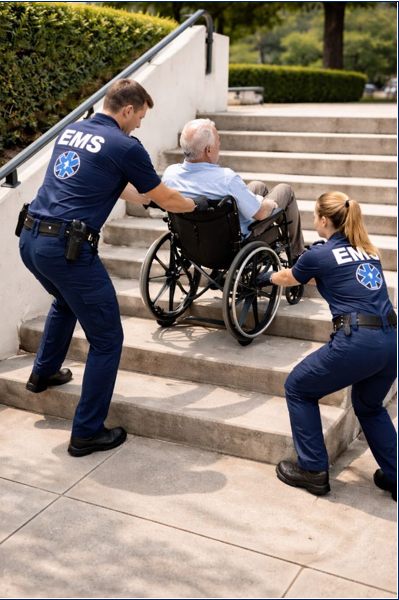
Lesson 2-G addresses an often overlooked task: helping a wheelchair user navigate steps. This lesson highlights the dangers of improper technique and provides clear guidance for working as a team, maintaining chair stability, and protecting
both the caregiver and the person in the chair.
Lesson 2-H closes the section with important legislative information, reminding caregivers that many states and accrediting bodies now expect the use of lift-free protocols to reduce preventable injury.
Review and Reinforcement for Long-Term Retention…
Section 3 includes the Lift-Free Human Transfers Protecting the Human Back review questions. This knowledge check reinforces the program’s core concepts and ensures that caregivers walk away with practical, retained skills—not just passive exposure to information. As a clinician, I appreciate this step: injury prevention hinges on consistency, and consistency hinges on comprehension.
A True Investment in Workforce Safety and Quality of Care
The Lift-Free Human Transfers Continuing Education and Direct Care Staff Training program provides an invaluable combination of clinical insight, practical instruction, and safety-driven technique. It supports caregivers in performing some of the most physically demanding tasks in health and human services, all while protecting their long-term well-being. For organizations seeking to reduce injury claims, improve care quality, and promote a culture of safe mobility, this training is an essential investment.
Lesson 1-A: Anatomy of the Back Lesson 1-B: Muscles of the Back Lesson 1-C: Function of the Back Lesson 1-D: Back Pain
Lesson 1-E: Organs of the Back
Section 2: Managing & Protecting Your Back Health
Lesson 2-A: Ensuring You Protect Your Back During a Transfer Lesson 2-B: Additional Tips to Help Manage a Healthy Back Lesson 2-C: Using the Hoyer and Other Lifts
Lesson 2-D: Using the Sit-to-Stand Lift
Lesson 2-E: Other Common Lifting Equipment and Devices Lesson F: Using the Transfer Belt
Lesson 2-G: Wheelchair Up Steps
Lesson 2-H: Special Legislative Information Section 3: ***REVIEW QUESTIONS***
3-A: Lift-Free Human Transfers Protecting the Human Back

Another Blog Post by Direct Care Training & Resource Center, Inc. Photos used are designed to complement the written content. They do not imply a relationship with or endorsement by any individual nor entity and may belong to their respective copyright holders.
| Follow us in the Social Stratosphere… | ||||
|


